

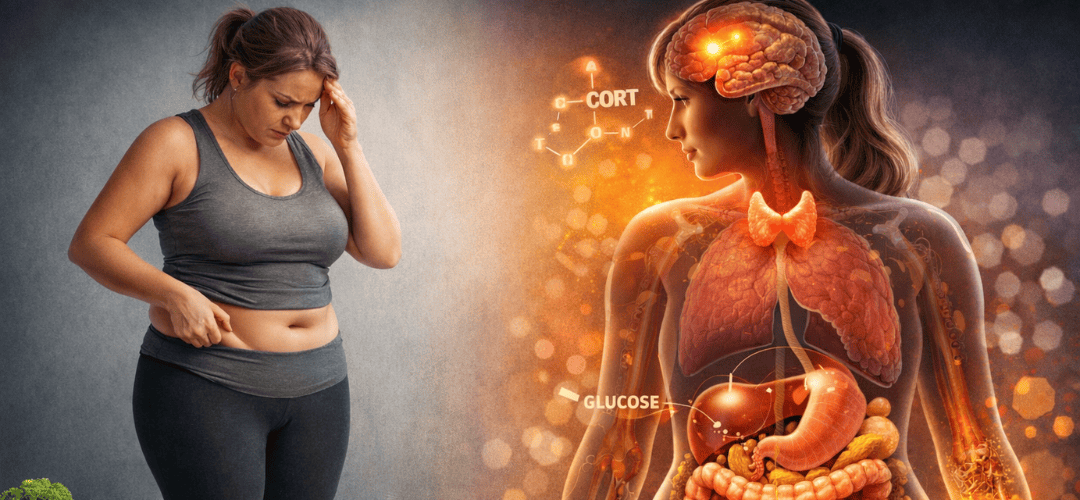
Losing weight can be challenging at any age, but many people notice that after 35, it suddenly feels almost impossible to see results — even when they follow diets and exercise consistently. If this sounds familiar, you’re not alone. And more importantly, it’s not your fault.
In this article, you’ll discover what’s really happening inside your body after 35, why weight loss becomes harder, and what you can do to regain control of your health in a sustainable, realistic way.
1. A Slower Metabolism Is Not a Myth
One of the first changes many adults experience after age 35 is a decline in basal metabolic rate — the number of calories your body burns at rest.
Why does this happen?
- Gradual loss of muscle mass with age
- Natural hormonal changes
- Reduced daily physical activity
Because muscle burns more calories than fat, losing muscle means your body naturally burns fewer calories — making weight gain easier and fat loss harder, even if your eating habits haven’t changed.
2. Hormonal Changes Affect Both Women and Men
Hormones play a critical role in body weight regulation, and after your mid-30s, they begin to shift.
For women:
- Hormonal fluctuations related to pre-menopause
- Gradual declines in estrogen and progesterone
- Increased insulin resistance
For men:
- Gradual decline in testosterone levels
- Reduced muscle-building capacity
These changes can lead to:
- Increased fat storage
- More difficulty controlling appetite
- Lower energy expenditure
3. Insulin Resistance and Hidden Inflammation
Many adults develop mild insulin resistance without realizing it. This means the body becomes less efficient at using glucose for energy.
As a result:
- Blood sugar levels rise more easily
- The body stores more fat
- Cravings for carbs and sugar increase
Additionally, low-grade chronic inflammation — often invisible — can disrupt metabolic processes and make weight loss significantly harder.

Citrus BURN, Discover the daily dietary supplement formulated to support metabolism and help burn calories
4. The Role of Stress and Poor Sleep
As responsibilities increase with age, quality sleep often decreases. Chronic stress from work, family, and daily obligations can take a serious toll on your body.
Here’s why it matters:
- Stress raises cortisol levels
- High cortisol is linked to belly fat storage
- Poor sleep disrupts hunger and fullness hormones
Without proper sleep and stress management, your body enters a survival mode that resists fat loss.
5. Why Traditional Diets Stop Working After 35
Extreme or highly restrictive diets may work temporarily, but after 35 they often backfire.
Common consequences include:
- Further slowing of metabolism
- Loss of valuable muscle mass
- Increased hunger and cravings over time
This creates the familiar yo-yo dieting cycle, which becomes harder to escape as you age.
6. What Actually Works After 35
The good news is that sustainable weight loss is possible when your strategy aligns with how your body works now.
1. Build and preserve muscle
Strength and resistance training are essential for boosting metabolism.
2. Focus on anti-inflammatory foods
Whole foods like vegetables, fruits, lean proteins, and healthy fats support metabolic balance.
3. Prioritize sleep and stress management
Weight loss isn’t just about food and exercise — recovery matters.
4. Adjust calorie intake intelligently
It’s not about eating less — it’s about eating smarter for your current physiology.
5. Dietary supplements that support metabolism and consequently aid in weight loss.
Studies show that with the support of an appropriate supplement, the path can be simpler than it seems.

Conclusion: Weight Loss After 35 Is Harder — But Not Impossible
If it feels like your body is working against you after 35, there are real biological reasons behind it. Sustainable weight loss doesn’t require extreme willpower — it requires understanding how your body has changed and adapting your approach accordingly.
With the right knowledge and the right strategy, you can support your metabolism, improve your energy, and achieve lasting, healthy weight loss.